SRM Kattankulathur Dental College and Hospital, Kattankulathur
Ranked #19 by NIRF, NAAC A++ Accredited | Recognized by dental council of India


Becoming a doctor has long been regarded as a prestigious and noble profession, with doctors dedicating their lives to the well-being of others. However, the traditional path of practicing medicine in a clinical setting is not the only route available to those who hold a medical degree. In recent years, an increasing number of doctors have been looking for alternative doctor career paths that allow them to utilise their medical knowledge and skills in unique and diverse ways.
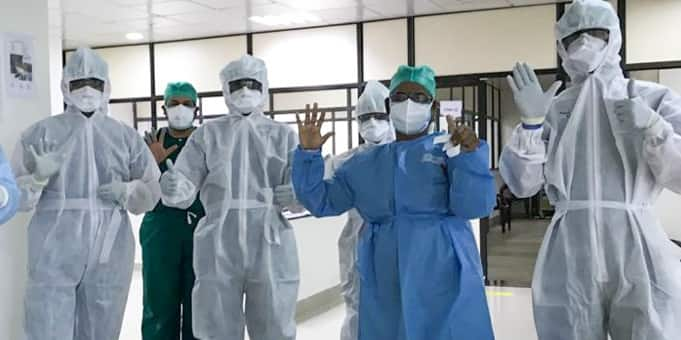
These alternative medicine careers not only offer doctors a chance to branch out and explore new horizons, but they also provide opportunities to make a significant impact on healthcare systems and patient care in different capacities.
In this article, Dr. Aiswarya Thampi, Chief Content Officer of Dr. Polaris has shared some of the alternative careers for doctors available for doctors, shedding light on the roles and responsibilities associated with each.
MBBS graduates can explore administrative, legislative, entrepreneurial, governmental, journalism, defence and pharmaceutical sectors to leverage their expertise and contribute to the healthcare industry beyond clinical practice.
Doctors have practical experience diagnosing and treating patients, understanding the intricacies of healthcare delivery, and witnessing the impact of policies on the ground.
With their unique skill set, they can pursue administrative careers, contribute to medical education, influence policy-making processes, and bring invaluable insights to the decision-making table.
The practical experience and dedication of doctors make them well-suited to make impactful policies and decisions that lead to a more efficient and patient-centric healthcare sector. Let’s discuss in brief about these sectors and how can they transform in these fields -
1. Education Sector: With their extensive medical knowledge, they can contribute to medical education by becoming a professor or lecturer in medical colleges. By becoming professors or lecturers, they can share their practical experiences and knowledge with current MBBS students. This not only helps shape the future generation of doctors but also enriches the medical education system with their expertise and insights.They also have the option of pursuing PhD and becoming Medicine Scientist by choosing Education after MBBS completion.
2. Administrative Sector: By acquiring an MBA or a postgraduate degree in healthcare management, they can lead hospitals as a other jobs for doctors, healthcare institutions, or even healthcare startups. Their medical background combined with administrative skills will enable them to -
Make informed decisions
Manage resources effectively
Provide quality healthcare services
With their medical background and additional business acumen, they can streamline processes, optimise resource allocation, and ensure the delivery of quality healthcare services.
3. Entrepreneurship Sector: Entrepreneurship offers exciting possibilities for MBBS graduates. They can leverage their medical expertise to identify gaps in the healthcare market and develop innovative solutions. Whether it's starting their own clinic, telemedicine platform, healthcare consultancy or be it a medical edtech startup, being an entrepreneur will allow them to contribute to the industry while being their own boss.
4. Legislative Sector: MBBS graduates possess firsthand knowledge of the challenges faced by healthcare systems. They understand patient needs, treatment protocols, and the intricacies of the healthcare industry.
With their deep understanding of healthcare systems, patient needs, and the challenges faced by healthcare professionals, they can provide valuable input in policy discussions.
Their insights and expertise can bridge the gap between policy decisions and practical implementation. Their hands-on experience allows them to identify gaps, propose innovative solutions, and advocate for policies that address the evolving needs of the healthcare sector.
5. Journalism Sector: The field of journalism offers exciting opportunities for MBBS graduates who have a passion for writing, research, and communication. With their deep understanding of medical topics and experience in patient care, MBBS graduates can contribute to health journalism and bring accurate and reliable information to the public.
They can work as medical writers, health reporters, or contributors to healthcare-focused publications, both online and offline. Their expertise allows them to explain complex medical concepts in layman's terms, bridge the gap between the medical community and the general public, and raise awareness about health issues.
6. Defence Sector: The defence sector presents unique and challenging opportunities for MBBS graduates who have a desire to serve their country while utilizing their medical skills. In the armed forces, MBBS graduates can join as medical officers, providing healthcare services to military personnel and their families.
They play a crucial role in maintaining the health and well-being of the armed forces in various settings, including combat zones, military hospitals, and peacekeeping missions. MBBS graduates can also specialize in fields such as aviation medicine, where they ensure the fitness and health of pilots and other aviation personnel.
7. Pharmaceutical Sector: The pharmaceutical sector offers diverse opportunities for MBBS graduates to utilize their medical knowledge, research skills, and patient care experience.
By venturing into roles such as Scientific Liaison, Clinical Researcher, Pharmacovigilance Professional, or Medical Affairs Personnel, MBBS graduates can contribute to the development, safety, and promotion of pharmaceutical products. These roles provide avenues for professional growth, research engagement, and the opportunity to make a significant impact on healthcare beyond direct patient care.
Get expert advice on college selection, admission chances, and career path in a personalized counselling session.

On Question asked by student community
Hello Bhanuday,
Here are the links you requested. I hope you find them helpful.
Hello Savi
Please check the link below:
Hope it helps.
Hello, for AP NEET PG Category C seats, NRI documents are generally required if you are applying under the NRI quota, and eligibility depends on the applicable counselling rules. The fee payment currency and procedure should be confirmed from the current Dr. NTRUHS notification at its official website drntr.uhsap.in.
Hello, the NEET PG stipend at Parul University depends on the postgraduate course, academic year and applicable university policies.
Hello, some B.Sc Nursing colleges may offer admission without NEET, but the admission process depends on the college and its eligibility rules. You can find colleges offering B.Sc Nursing admission without NEET here: https://medicine.careers360.com/articles/bsc-nursing-admission-without-neet
the product 'P' will be ,


| Column A | Column B |
| A |
a) Organisation of cellular contents and further cell growth. |
| B |
b) Leads to formation of two daughter cells. |
| C |
c) Cell grows physically and increase volume proteins,organells. |
| D |
d) synthesis and replication of DNA. |
Match the correct option as per the process shown in the
0.16 g of dibasic acid required 25 ml of decinormal solution for complete neutralisation. The modecular weight of the acid will be
32
64
128
256
0xone is

Ranked #19 by NIRF, NAAC A++ Accredited | Recognized by dental council of India
Ranked among the top Dental Colleges for 7 consecutive years by India Today poll