KCC Institute of Legal and Higher Education, Greater Noida
Law Admissions 2026 Open | Avail Merit-Based Scholarships


The blueprint of life lies within our genes, and understanding the role of genetics in human health is fundamental to modern biology. The study of genetics can help aspiring medical professionals and biologists gain a better understanding of human health and enable the development of personalised medical treatments.
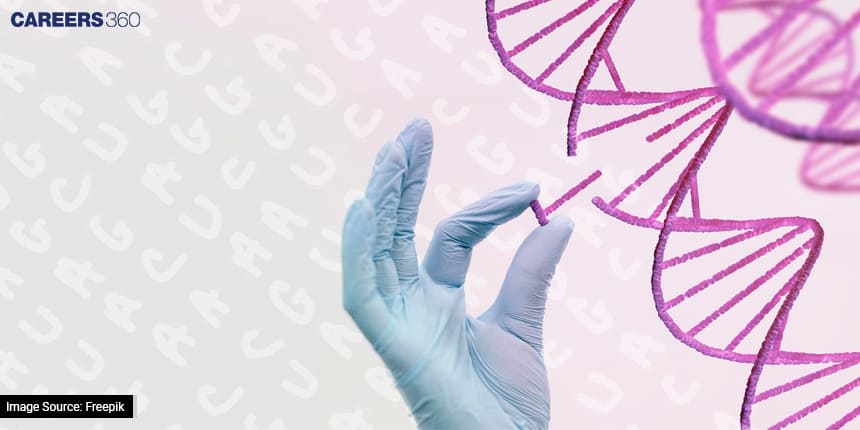
Genetics plays a significant role in determining an individual's susceptibility to various health conditions. This section explores the complex network of genetic factors and their implications.
Genetic factors contribute to the susceptibility, onset, and progression of numerous health conditions.
Cardiovascular Diseases: Genetic variants influencing cholesterol metabolism and blood clotting.
Neurological Disorders: Alzheimer's and Parkinson's diseases are linked to specific gene mutations.
Cancer Predisposition: Inherited gene mutations increase the risk of certain cancers (e.g., BRCA genes in breast cancer).
Metabolic Disorders: Diabetes and obesity are influenced by both genetic and environmental factors.
Understanding the genetic basis of health conditions opens avenues for personalised and targeted medical treatments.
Pharmacogenomics: tailoring drug therapies based on individual genetic variations to optimise efficacy and minimise side effects.
Gene Therapy:
Introducing or modifying genes to treat or prevent diseases.
Promising for genetic disorders like cystic fibrosis and muscular dystrophy.
Precision Medicine:
Customising medical care by considering an individual's genetic makeup, lifestyle, and environment.
Enhancing treatment effectiveness and reducing adverse effects.
The field of genetics is dynamic, with ongoing research leading to developments that enhance our understanding of the interplay between genes and health.
Technological advancements have paved the way for novel genetic research tools.
Genome Sequencing: Unraveling the entire genetic code allows for comprehensive analysis of disease susceptibility and personalised treatment.
CRISPR-Cas9 Technology:
Precise gene editing tools are revolutionising genetic research and potential therapeutic applications.
Addressing genetic mutations at the molecular level.
While genetic advancements offer tremendous potential, ethical considerations and genetic counselling are crucial components.
Privacy and Confidentiality: Safeguarding genetic information to prevent misuse or discrimination.
Informed Consent: Ensuring individuals are well-informed before genetic testing, understanding the potential psychological impact.
Education and Support: Providing guidance on genetic risks, testing options, and potential implications for individuals and families.
Decision-Making Support: Assisting individuals in making informed choices about genetic testing and medical interventions.


Law Admissions 2026 Open | Avail Merit-Based Scholarships
Get Job Ready in Healthcare | Employability-Focused Programs
Leading Design College | Highest CTC: ₹12 LPA | Average CTC: ₹7.5 LPA | Scholarships for Deserving Students
Highest Package 29.30 LPA | 12 LPA Median CTC | 230+ Recruiters | AACSB Accredited | Ranked 51 in Asia by QS International
BBA/MBA/PGDM Early Bird Applications Deadline 19th Oct '26. Apply now using coupon code CAREER250 and get ₹250 off the application fee
Ranked #36 amongst institutions in Management by NIRF | 100% Placement