


Telemedicine And Health Apps: How Tech Is Revolutionising Healthcare
The digital age has ushered in an era of unprecedented innovation in every industry, and healthcare is no exception. Traditional models of healthcare delivery are being complemented and, in some cases, replaced by innovative technologies. As we navigate through the digital healthcare landscape, it becomes evident that technology is not just a tool but a transformative force, redefining the foundation of patient care. This article explores three pillars of this digital revolution: telemedicine, health apps, and data-driven approaches.
This Story also Contains
- Telemedicine: Bridging the Gap Between Patients and Healthcare Providers
- Health Apps: Empowering Individuals in Their Wellness Journey
- Data-Driven Approaches: The Power of Analytics in Healthcare
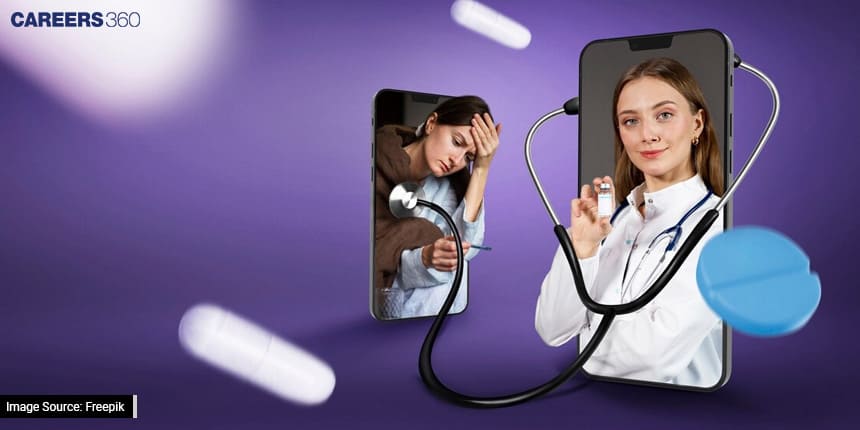
Telemedicine: Bridging the Gap Between Patients and Healthcare Providers
Virtual Consultations
Telemedicine facilitates remote consultations, allowing patients to connect with healthcare professionals from the comfort of their homes.
Overcoming geographical barriers, virtual consultations increase access to medical expertise, particularly in underserved or rural areas.
Real-time video conferencing and secure communication platforms enable efficient communication between patients and healthcare providers.
Remote Monitoring
Wearable devices and smart sensors enable continuous monitoring of vital signs, providing real-time data to healthcare professionals.
Patients with chronic conditions benefit from remote monitoring, as it allows for proactive intervention and timely adjustments to treatment plans.
Improved patient compliance and engagement are observed when individuals actively participate in monitoring their health using wearable technology.
Enhanced Emergency Response
Telemedicine aids in emergency situations by providing immediate access to medical advice and assistance.
Quick decision-making is facilitated through virtual consultations, especially when time is critical.
Telemedicine enhances emergency response in remote locations, where access to immediate medical attention is limited.
Health Apps: Empowering Individuals in Their Wellness Journey
Personalised Health Tracking
Health apps empower individuals to track and manage their health parameters, promoting a proactive approach to wellness.
From monitoring physical activity to tracking nutrition and sleep patterns, these apps provide a holistic view of an individual's health.
Personalised insights derived from health data encourage lifestyle modifications and preventive measures.
Medication Management
Health apps simplify medication adherence by sending reminders and providing information about prescribed drugs.
Medication tracking features help individuals stay on schedule, reducing the risk of missed doses.
Improved medication management contributes to better treatment outcomes and reduced healthcare costs associated with non-compliance.
Mental Health Support
Many health apps address mental well-being by offering features such as mood tracking, meditation exercises, and stress management tools.
Remote access to mental health resources helps in eliminating mental health issues and reaching individuals who may be hesitant to seek in-person support.
The integration of mental health support within health apps contributes to a holistic approach to wellness.
Data-Driven Approaches: The Power of Analytics in Healthcare
Predictive Analytics
Data analytics employs vast amounts of healthcare data to predict and prevent diseases.
Predictive models identify patterns and risk factors, enabling proactive interventions and personalised preventive care.
Early detection through predictive analytics can significantly improve treatment outcomes and reduce the burden on healthcare systems.
Population Health Management
Data-driven approaches facilitate population-level analysis, helping healthcare providers identify trends and address the health needs of specific communities.
Population health management supports preventive measures, targeted interventions, and resource allocation based on the health needs of diverse populations.
Improved population health outcomes contribute to the overall well-being of communities.
Artificial Intelligence in Diagnostics
AI-driven diagnostic tools enhance the accuracy and efficiency of medical diagnostics.
Machine learning algorithms analyse medical imaging, pathology slides, and clinical data to assist healthcare professionals in making more precise diagnoses.
AI in diagnostics accelerates the decision-making process, leading to early detection and timely treatment.
The digital age has not only transformed the way we access healthcare but has also empowered individuals to take an active role in managing their well-being. Telemedicine, health apps, and data-driven approaches are revolutionising patient care, making it more accessible, personalised, and efficient. As we continue to embrace these technological advancements, it is crucial to prioritise ethical considerations, data security, and equitable access to ensure that the benefits of digital healthcare are maximised for all.

Top Ranked Medicine and Allied Sciences Colleges
Browse Medicine Colleges by State