KCC Institute of Legal and Higher Education, Greater Noida
Law Admissions 2026 Open | Avail Merit-Based Scholarships


The units of genetics, biotechnology, and reproduction from Class 12 Biology, include the topics of genetic testing, cloning, and abortion respectively. Advances in biotechnology and other related fields have been unlocking new levels of facilities, inventions, and ideologies. Researchers and scientists are experimenting continuously to discover new solutions for the environment and mankind. From commercial use of microbes for growing better crops to disease treatment, drug discovery, vaccinations, and more. The process of disease identification via different bodily samples, the invention of machines for treatment, and more revolutionised society’s health.
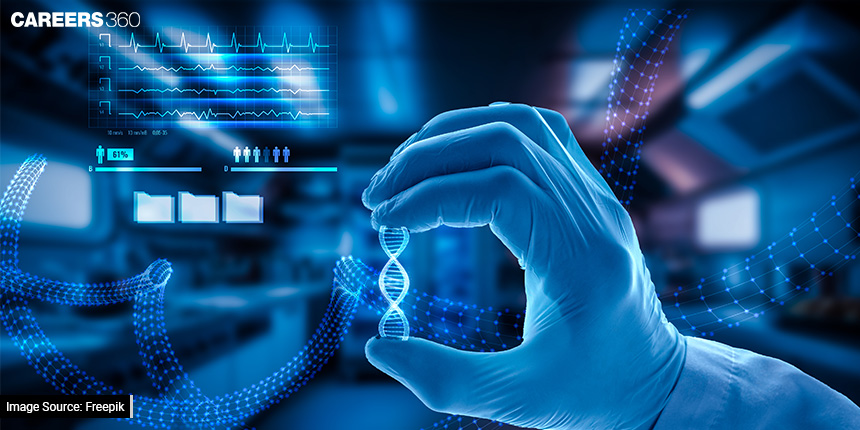
Similar to these medical discoveries, more advanced technologies like genetic testing, cloning, sex-determination during pregnancy, abortion, and more have been introduced with clear and positive intentions. However, their misuse has created some problems. We’ll discuss the problems and ethical issues elaborately and consecutively in the coming sections.
Sex-Determination and Abortion
By testing the amniotic fluid and conducting ultrasounds, the sex of the baby can be determined. This is an advanced process that lets the parents know the gender of the baby. However, this technique soon turned negative and led to increased female foeticide .
Abortion is the termination of pregnancy using medical procedures. It is essential in certain situations, like when it imposes risks to the baby or mother, or when there are other medical complications related to the pregnancy. However, this medical procedure has been misused, which has raised questions regarding its ethics.
Law Admissions 2026 Open | Avail Merit-Based Scholarships
BBA/MBA/PGDM Early Bird Applications Deadline 19th Oct '26. Apply now using coupon code CAREER250 and get ₹250 off the application fee
Genetic Testing
Genetic testing, or the assessment of the DNA of an individual, helps to resolve many issues. It is an advanced technique with useful applications in fields like forensics, medicine, drug discoveries, diagnosis, transplants, and many more. The genes are identified in this testing, which enable us to know the genetic sequence, presence or absence of mutated or diseased genes, chromosomal abnormalities, and more.
Since the gene arrangements of the DNA are known, this test can help to compare the DNAs of two organisms and therefore help to resolve criminal and paternity issues. Prenatal genetic testing is one more application. However, this test raises ethical issues due to invasion of privacy, misuse of genetic information, and more.
Cloning
As the name implies, this is a technique to produce clones or replicas of existing cells, tissues, or living beings. The genetic makeup of the original organism or tissue is studied, and a clone having the same genetic information is produced. The originals and clones are identical due to the same genetic makeup.
Cloning emerged as a promising approach to finding solutions for certain diseases. New cells can be made from the stem cell; information about extinct species can be saved; diseases affecting particular cells can be reduced; and many more.
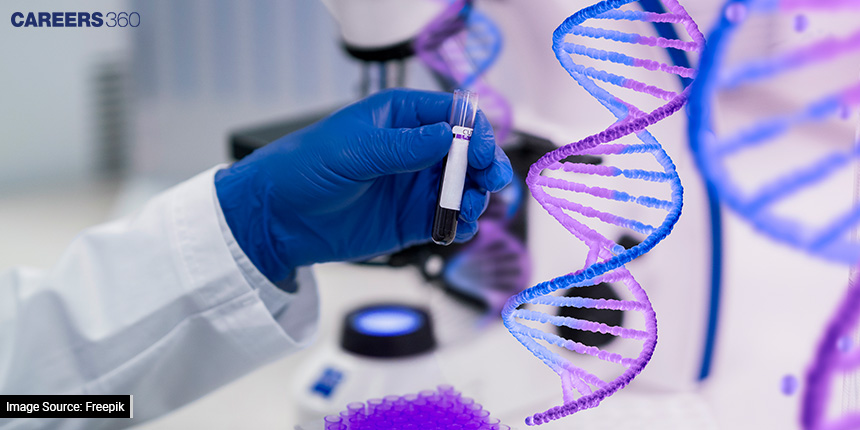
How did misuse of medical and technological innovations give rise to ethical issues? Some processes in medicine and healthcare have been causing arguments that these practices are unethical. They raise serious issues regarding legal, social, ethical, and other aspects and have dangerous implications for the patients. Let’s understand the ethical issues associated with a few healthcare processes.
As per societal principles and ethics, everyone has a right to live, and thus abortion or termination of pregnancy is not supported by all.
All of this impacts the woman’s health, mentally and physically. Abortion is not a simple process and can impose risks on women. Therefore, strict rules regarding the process have been implemented to avoid unethical practices.
This technology triggers many ethical issues due to the information it provides about a person’s genetics. The genetics, or DNA of the person, contain all the information about them and hence must be confidential. But knowing the genotype and diseases associated with it (if any) causes discriminatory behaviour against the person. They face problems with job selection, insurance companies, societal pressure, and more.
A person can lose their rights over many things or even their normal life if their genotype privacy is invaded. Prenatal testing resulting in sex-selective abortion is also an ethical issue in genetic testing. In worst-case scenarios, carelessness during the genetic testing may harm the person, leading to genetic diseases.
Though cloning has huge benefits in producing replicas of healthy cells and inserting them into organisms to replace diseased cells, it also has many ethical issues.
In a nutshell, the technological innovations that affect people and society’s moral principles, demean their image, and risk privacy are unethical practices. People may be subjected to discrimination and undergo mental as well as physical health violations. Moreover, the information extracted can be misused for harm by interfering with nature. These processes also involve living organisms other than humans, who have the right to live and must not be exposed to such technologies.


Law Admissions 2026 Open | Avail Merit-Based Scholarships
BBA/MBA/PGDM Early Bird Applications Deadline 19th Oct '26. Apply now using coupon code CAREER250 and get ₹250 off the application fee
Ranked #36 amongst institutions in Management by NIRF | 100% Placement
Globally Recognized by AACSB (US) & AMBA (UK) | 18 LPA Avg. CTC for PGPM 2026
Leading Design College | 95% Placement Record | Merit-cum-Means Scholarships for Deserving Students
NEET PG All India & State College Predictor with Admission Process Guide