


Loneliness In School-Going Children: Signs And Causes
Schooling is one of the most important developmental phases of one’s life. Joys of learning, making friends and discovering new experiences during school times remain etched in memory. But what happens if your child starts feeling lonely instead of bubbling with enthusiasm like typical middle schoolers?

Feelings of loneliness can come over anybody, irrespective of age or gender. Middle years of school, being a transitional period for your child, are fraught with worries, anxieties, and insecurities leading to loneliness at times.
Signs Of Loneliness In A Child
How does your child manifest their loneliness? Some of the most visible signs of loneliness in your child are as follows.
Avoidant Behaviour | This can be easily visible in your child, wherein interactions within the family as well as with peers are markedly reduced.
Loss Of Interest | If you see your child losing interest in things, people or activities, it might be a sign to be wary of. Something which evoked a joy in your child holds no interest for them now.
Keeping Distance | A child who feels lonely may begin guarding their personal space, as in, staying behind locked doors of their room, or sitting at a distance from others.
Irritability | Bouts of irritability and frustration are also noticeable signs of loneliness in your child. Arguing needlessly with the parents or siblings becomes a norm.
Unusual Crying | Crying spells and red-eyed look denotes loneliness, sadness or an emotional overwhelming state that your child feels themselves to be in.
Blaming | It is common for children who feel lonely to blame parents for their loneliness without being reasonable about their feelings.
Clinging | The child may not want to be left alone and consistently cling to you, the parent. It is an unusual manifestation at a middle-school level since at this time, children are usually more into peer groups than families.
What Causes Loneliness?
Let us delve a little deeper into understanding the contributing factors to loneliness in middle schoolers.
Having No Friends | However quiet or introverted by nature your child may be, a friend or two are still the norm. Children naturally seek out company and if your child lacks a set of friends, it is a cause for worry.
Getting Bullied | Children can be mean, spiteful and nasty to each other and bullying is one of the most common manifestations of this negativity. It can be traumatic for your child to be singled out by bullies. The fearfulness it evokes can make your child withdraw into themselves, literally making themselves invisible in a cloak of isolation.
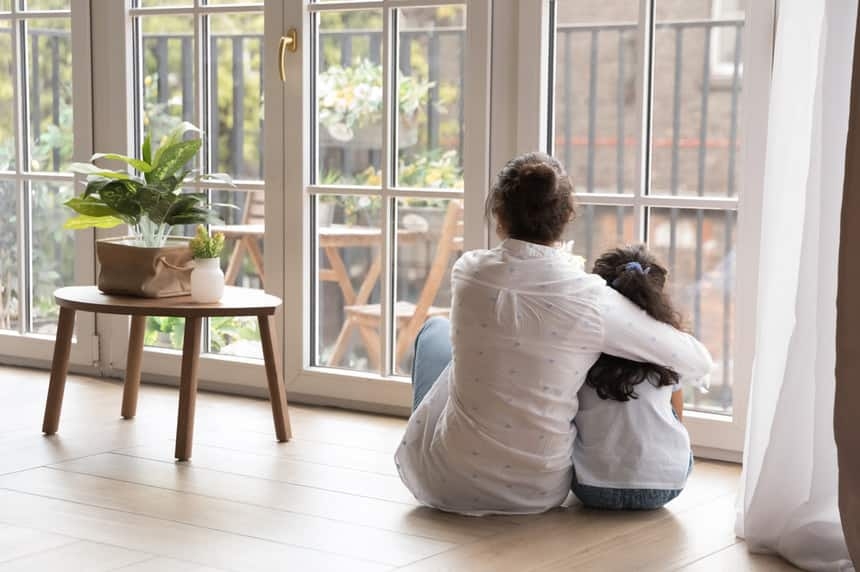 Middle years of school, being a transitional period for your child, are fraught with worries, anxieties, and insecurities leading to loneliness at times.
Academic Difficulties | A child who is unable to keep up with academics like their peers may feel frustrated and develop group avoidance. Your child may be teased for their grades, causing shame and hence reduced interaction with others.
Personality Traits | Innate traits contribute significantly to loneliness in children. If your child is shy and timid by nature, it can lead to their hesitancy in making friends. Lack of initiative to interact can keep your child isolated, causing loneliness in the long run.
Home Environment | The parenting style a child is subject to as well as parental expectations may cause or aggravate feelings of loneliness, for instance, authoritarian parenting or constant comparison of one’s child to other children. Distressing circumstances such as fights or conflicts within the family, separation of parents, loss of a loved one, and the like, could also be causal factors of loneliness.
Chronic Ailment | If your child is suffering from any chronic illness which involves repeated absence from school or restrictive social interactions, it leads to an isolating lifestyle for them. Longing for company, fun and frolic, your child’s medical condition becomes a big factor in their loneliness.
Being alone and being lonely are two different things. Your child can be alone but not lonely, or not alone yet lonely.
What Can Parents Do?
The key is to be sensitive and aware of your child’s existing routine. Recognising the early signs of change in your middle schoolers’ interactions within the family or with their peers calls for immediate action. Talk to your child about their feelings. Try to learn the reason or cause of their sense of loneliness. Lending a patient ear and your shoulder to the child can go a long way in reversing the negative feelings in them.
Middle school is a time of transition from being a child to an adolescent. It involves both physical and psychological changes. Loneliness can be an unexpected feeling in your child. It is a state of mind which needs timely intervention. If the feelings of loneliness persist in your child, do not hesitate to consult a counsellor or a child psychologist, as timely help can go a long way in easing your child’s distress.
Sanjana Seth is a Psychologist and Psychotherapist, registered with RCI, and holds more than two decades of practising experience with the healthcare organisations of the Armed Forces, as well as those operating as private. Mother to two adults, Sanjana has worked extensively for children with special needs and taught Psychology to students at undergraduate and postgraduate levels.
Top Ranked Medicine and Allied Sciences Colleges

Browse Medicine Colleges by State