School Of Advanced Engineering, UPES, Dehradun
Ranked #43 among Engineering colleges in India by NIRF | Get Upto 100% Scholarships


The BSc operation theatre technology course is an essential part of the paramedical and allied health science department. OT technologists play a very important role in any operation theatre and they are responsible for assisting the surgeons during surgery.
This Story also Contains
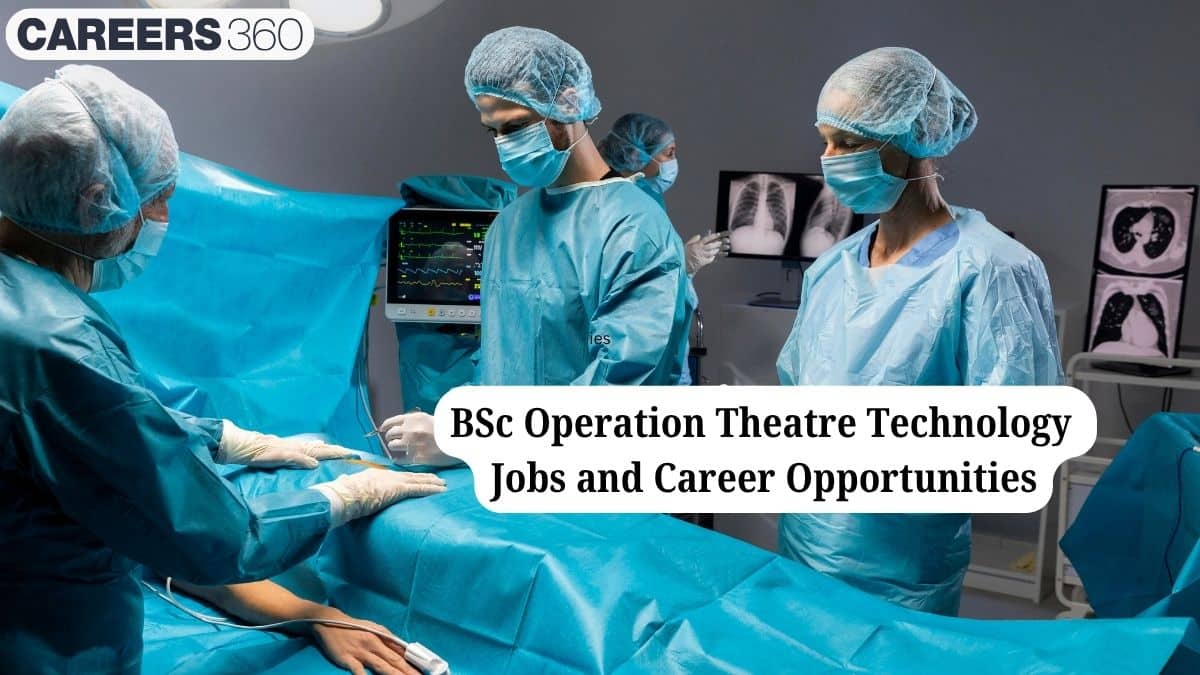
A Bachelor of Science in Operation Theatre Technology (BSc OTT) trains students with knowledge of surgical instruments, anaesthesia equipment, infection control, and patient safety protocols. In this article, we will get an in-depth look at the scope, career opportunities, required skills, and growth prospects for BSc OTT graduates.
The scope of BOTT is huge and increasing day by day, as healthcare settings continue to be equipped with new technologies and complex surgical procedures. With increasing advancements in surgical techniques such as minimally invasive surgery, robotic surgery, and endoscopic procedures, the demand for skilled OT Technologists is growing rapidly.
To get a successful career in the OT technology field, students must have technical, practical, and interpersonal skills. Below are some essential skills required
Good knowledge of theory with technical expertise: Knowledge of surgical instruments, anaesthesia machines, monitoring equipment, and operation theatre technologies.
Critical thinking and can manage the department independently, if required
Good and effective communication skills: Effectively communicating with surgeons, anesthesiologists, nurses, and other medical staff during surgical procedures.
Ability to solve the problem: Reacting promptly to emergencies or malfunctions in medical equipment.
Patient Care Awareness: Should be aware of patient safety and must follow the infection control protocol
Knowledge of Sterilisation and Infection Control: Should have a good knowledge of the sterilisation of surgical tools to maintain a sterile and safe environment.
BSc Operation Theatre Technology has a wide range of job opportunities in both the private and government sectors. Below are some job opportunities mentioned:
The main role of an OT Technologist involves helping in the operation theatre by preparing surgical instruments, monitoring equipment, and assisting during surgeries.
After BSc Operation Theatre Technology, the OT technologists can work as tutors/ clinical instructors/trainers in educational institutes and hospitals, mentoring students and trainees in the theory as well as practical aspects of OT procedures.
OT technologists also have job options in the medical equipment industry. They are responsible for demonstrating, selling, and providing technical support for surgical equipment.
Surgical Instrument Technicians focus on the maintenance, sterilisation, and proper functioning of surgical instruments, ensuring they are ready for use during operations.
OT technologists also have the option to work as Junior research fellows. They may choose to contribute to the development of new surgical technologies, tools, or procedures by working with research institutions or medical device companies.
Government Jobs:
Hospitals and medical colleges: OT technologists can work in various top government hospitals like AIIMS, PGI, and many more.
Indian force hospital: OT technologists can work in various Indian force hospitals like the Army, CRPF, and others
Job Security and Benefits: Government jobs offer good pay and benefits like health insurance and pension schemes.
Private Jobs:
Private Hospitals and Clinics: Private hospitals offer various roles for OT technologists, but they have fewer benefits compared to government hospitals.
Private colleges and institutions: OT graduates may also join private colleges and training institutes as tutors/lecturers.
Higher Earning Potential: Salaries in the private sector are generally higher, although they may come with less job security compared to government jobs.
Both sectors have their unique advantages, with government roles focusing on stability and long-term benefits, while private roles may provide higher earnings and a dynamic work environment.
Post B.Sc in Operation Theatre Technology, students can go for further PG courses like:
1. PG Diploma in OT Technology
A one-year program that focuses on advanced concepts and specialised areas within OT, such as anaesthesia, critical care, or surgical instrument management.
2. MSc in OT Technology
Graduates can pursue an MSc in OTT for detailed and deep knowledge about the field.
3. Certification Courses
Short-term crash courses are available, such as anaesthesia techniques, endoscopy, robotic surgery, etc.
4. Hospital Management
After B.Sc. OT course, students can do an MBA in hospital administration to uplift their career in the management field.
The average salary for BSc OTT graduates may vary based on experience, location, and job role. Below are some salary ranges in India:
OT Technologist: ₹2.0 - ₹2.5 Lakhs per annum for freshers.
Clinical Instructor: ₹5 - ₹8 Lakhs per annum (depending on the institution).
Surgical Instrument Technician: ₹2.0 - ₹4 Lakhs per annum.
Anesthesia Technologist: ₹2.5 - ₹4 Lakhs per annum.
Medical Equipment Sales and Service: ₹5 - ₹10 Lakhs per annum.
In other countries like the UK/US/Canada and many more the salary range can be multiple depending on the experience
Below are some top recruiters in OT technology in India:
AIIMS
PGI
Indian Railway
Army and CRPF hospital
Apollo
Fortis
Medanta
Max
In addition to hospitals, medical device companies like Siemens Healthineers, GE Healthcare, and Philips Healthcare also recruit OT Technologists for research, development, and support roles in surgical technology.
The career growth path in OTT is fabulous, with several opportunities for advancement:
Fresher (0-2 years): OT Assistant
Experienced (3-5 years): OT technologist.
High Experience (5+ years): Senior OT Technologist
Specialisation (10+ years): OT in charge or OT manager

Ranked #43 among Engineering colleges in India by NIRF | Get Upto 100% Scholarships
NEET PG All India & State College Predictor with Admission Process Guide
End-to-End NEET PG Admission Guidance | One-to-One Counselling | College Predictors | Regular Updates | E-books
Ranked #19 by NIRF, NAAC A++ Accredited | Recognized by dental council of India
NAAC A+ Accredited| Ranked #24 in University Category by NIRF
Ranked among the top Dental Colleges for 7 consecutive years by India Today poll