Max Institute of Allied and Paramedical Education (MIAPE)
Get Started With Your Healthcare Career. 2026 Admissions open.


Dermatology is an interesting and highly sought-after speciality in the field of medicine. The field focuses on the diagnosis, treatment and prevention of skin, hair and nail disorders. Dermatology encompasses a wide range of conditions, from issues like acne and eczema to more complex diseases such as psoriasis and skin cancer.
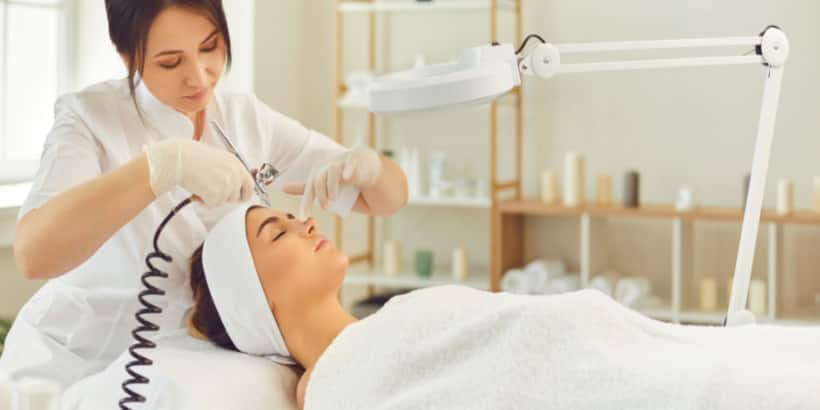
MBBS graduates, who are passionate about the complexities of skin health and disease, a career in dermatology brings a lot of opportunities and challenges for them. Dermatologists play a crucial role in enhancing a patient's health by managing conditions that can significantly affect physical appearance and thus, managing emotional well-being. This guide from Careers360 provides an in-depth look in the journey of becoming a dermatologist after completing an MBBS degree.
Courses in dermatology after MBBS are considered by many medical graduates due to its vast scope and the unique opportunities. The role of a dermatologist is not limited to treating skin diseases; it also involves managing hair and nail conditions. Dermatologists perform cosmetic procedures and also contribute to advancements in medical research, public health and preventive care. Check the scope and significance of dermatology after MBBS.
Extensive training: Courses such as MD in dermatology after MBBS, Venereology and Leprology provide extensive training in diagnosis and treating a wide array of skin conditions. Many students also opt for a diploma in dermatology after MBBS.
Opportunities for sub-specialization: MBBS graduates can pursue further specialization in areas like paediatric dermatology, dermatosurgery and cosmetic surgery.
Research: Dermatology is an evolving field with ongoing research leading to new treatments. Advanced courses and fellowship in dermatology after MBBS provide opportunities for research, aiding in the development of innovative therapies and improving patient’s health.
Skill development: Dermatology courses after MBBS emphasize practical skills in performing various clinical procedures such as laser treatments, excisions, cosmetic surgeries and biopsies. This hands-on training is crucial for the development of necessary skills.
High demand: With the change in environment, lifestyle and food, skin-related issues are rising which has created a high demand for dermatologists. Therefore, completing a dermatology course after MBBS can open up a number of opportunities in various sectors.
Impact on quality of life: As the first appearance of a person is important, dermatologists play a crucial role in a patient’s life by directly impacting their physical appearance and mental well-being. By addressing issues like acne, eczema and hair loss, dermatologists help boost patients' confidence and quality of life.
To become a dermatologist, the very first step is to obtain an MBBS degree, which is of 5.5 years. Admission to MBBS courses in India are offered through the National Eligibility cum Entrance Examination Undergraduate (NEET UG). This medical education provides a broad understanding of human anatomy, physiology and clinical skills. Medical graduates can then choose any of the described education to obtain a degree in dermatology.
Postgraduate studies: To pursue a Doctor of Medicine (MD) degree in dermatology aspiring dermatologists must clear the National Eligibility cum Entrance Test Postgraduate (NEET PG). MD in dermatology after MBBS spans two years and provides training in dermatological practices, clinical diagnosis, therapeutic techniques and research.
Diploma in dermatology: Diploma in skin after MBBS is a two years course that is more focused on practical skills. Admission to diploma in dermatology after MBBS are granted through NEET PG. Some institutions offer the course on the basis of merit obtained in previous examinations.
Further specialization: For those interested in specialization, fellowship in dermatology after MBBS is also available. The specialization can be done in paediatric dermatology. Cosmetic dermatology, dermatopathology or dermatosurgery. These programs offer advanced training in dermatological fields, enhancing expertise and career prospects.


Know possible Govt/Private MBBS/BDS Colleges based on your NEET rank
College Predictors Webinars One to One Counselling Regular Updates Medical Almanac
Check your expected admission chances in MD/MS/Diploma courses based on your NEET PG Score
Your one-stop NEET PG counseling package with complete hand-holding throughout the admission journey
Highest Package: ₹32 LPA | Placement Rate: 90% students placed | 5000+ Students Placed 900+ Placements Recruiters | Scholarships Available
33.5 LPA-Highest Package | Up to 100% scholarship worth 30 CR