
Search Colleges, Exams, Schools & more


Login
Types of Inflorescences : Meaning and its Types MCQ - Practice Questions with Answers
Edited By admin | Updated on Sep 18, 2023 18:34 AM | #NEET
Quick Facts
-

9 Questions around this concept.
Solve by difficulty
 MEDIUM
Which kind of inflorescence is shown in the figure given below?
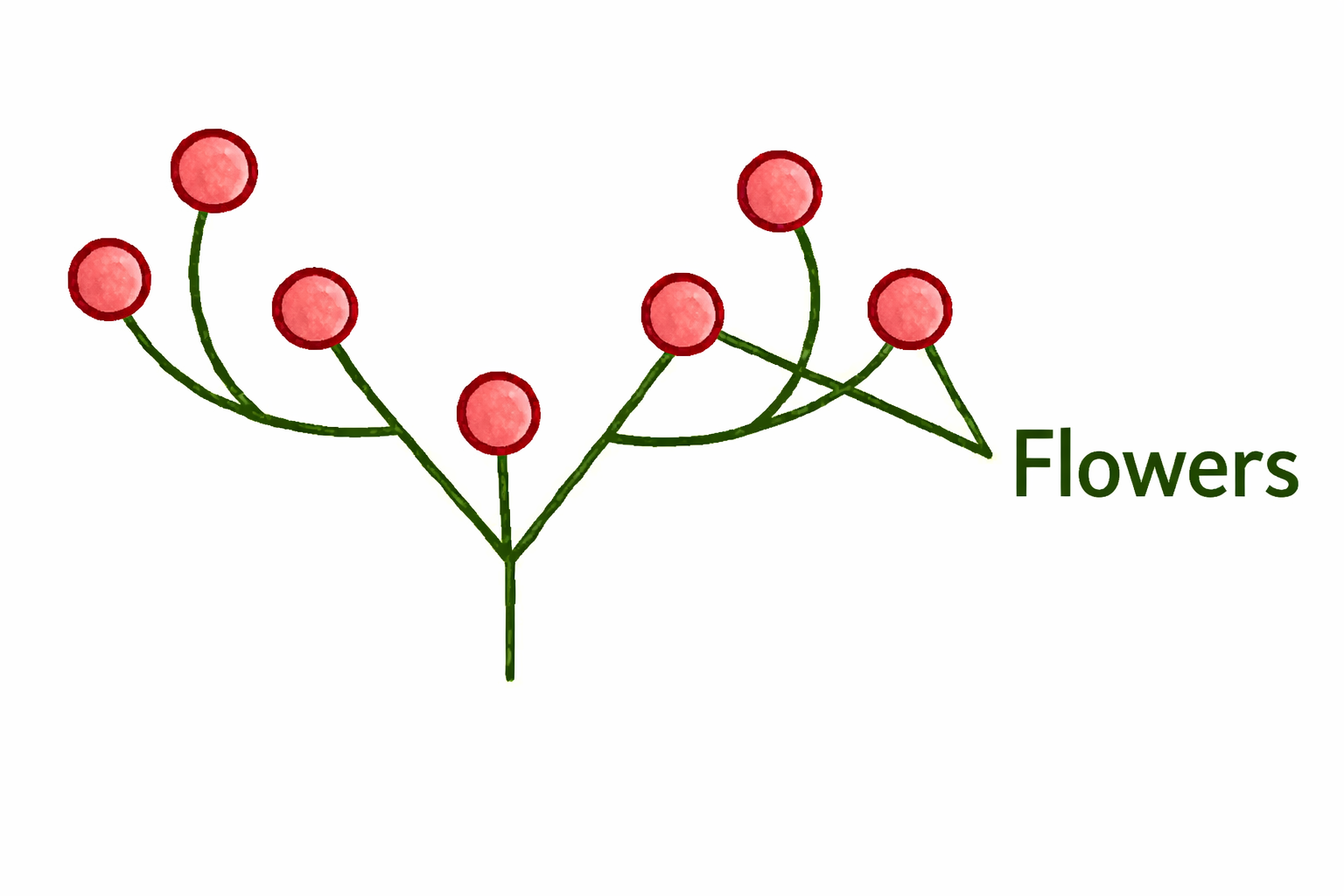
Racemose inflorescence shows
When the terminal flower is not formed, the inflorescence is called?
Closed inflorescences are
Cymose is
The terminal flowers will be observed in
The floral formula
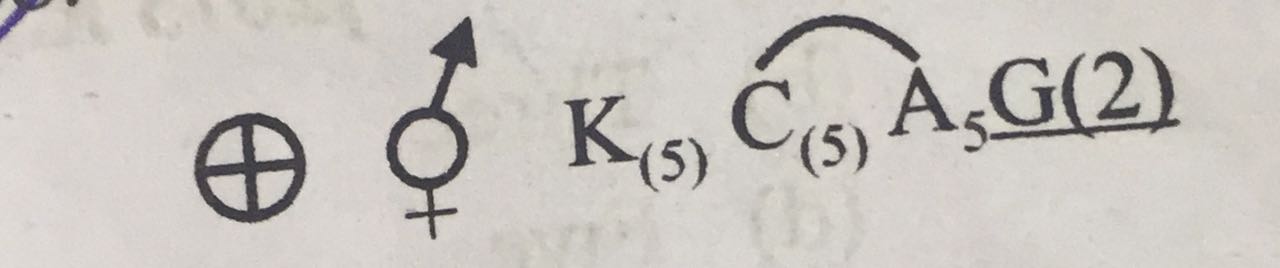
is that of:
The given figure shows some types of inflorescences. Select the option that correctly identifies them.

How does the growth pattern of a cymose inflorescence differ from that of a racemose inflorescence?
NEET 2026 College Predictor
Predict your MBBS, BDS & AYUSH admission chances with the NEET College Predictor. Get personalized college recommendations based on rank, category & quota.
Try NowConcepts Covered - 1
The Types of Inflorescences
The Types of Inflorescences
- Growth of plant organs can occur according to two different schemes:
- Monopodial
- Sympodial
- In monopodial scheme of growth, the terminal bud continues to grow and remains intact. It grows as a leader shoot. The lateral branching occurs with the help of axillary buds. There is a single growing point, hence monopodial.
- In sympodial scheme of growth, the terminal bud ceases to grow and terminates into a definite structure. The axillary bud gives rise to a new leader shoot. There are many growing points in a plant.
- In inflorescences, monopodial growth pattern is called indeterminate while sympodial growth pattern is called determinate.
- In indeterminate inflorescence, the terminal bud does not cease to grow and never forms terminal flower. The lateral flowers and formed. Such inflorescences are also open inflorescences.
- In determinate inflorescences, the terminal bud develops into terminal bud. It ceases to grow. The lateral flowers take over the main branching. Such inflorescences are also closed inflorescences.
- Depending on whether the apex gets converted into a flower or continues to grow, there are two major types of inflorescences:
- Racemose: it is indeterminate and open type of inflorescence
- Cymose: it is determinate and closed type of inflorescence

Study it with Videos
"Stay in the loop. Receive exam news, study resources, and expert advice!"